
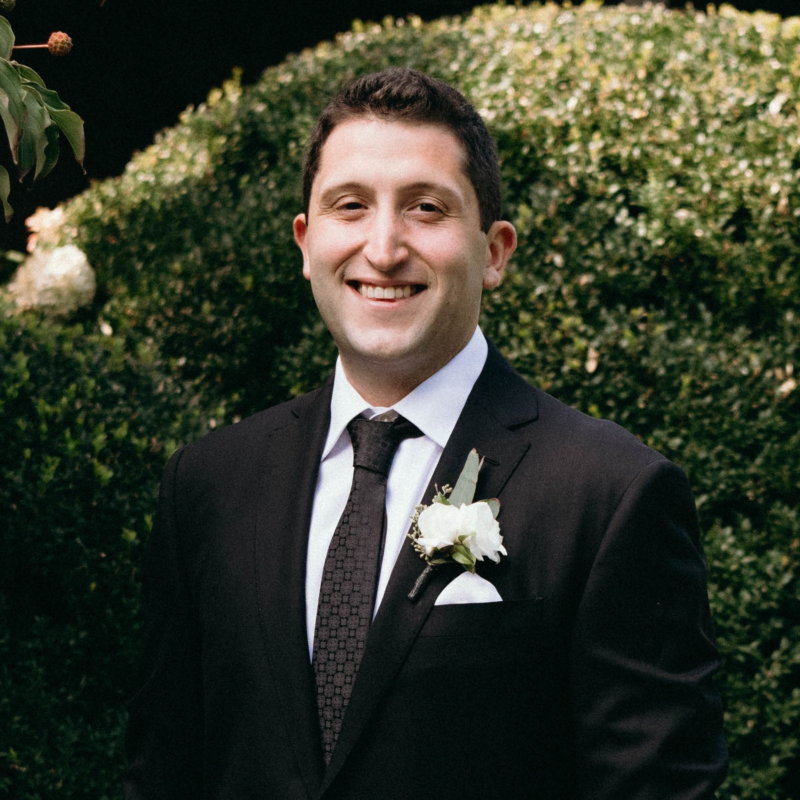
Interview with Alex
Major: Journalism (emphasis on Strategic Communications)
Certificate: Digital Studies
Graduation Date: May 2020
How did you end up working at Iterative Health?
After graduating from UW, I started my career at Real Chemistry, a healthcare communications and marketing agency focused on the life sciences industry. I joined as an Account Associate and progressed through Account Manager to Senior Account Manager over the course of five years.
At Real Chemistry, I worked with a variety of biotech and pharmaceutical companies, helping them communicate complex clinical data, regulatory milestones, and product developments to healthcare professionals, patients, investors, and other stakeholders. My work spanned product launches, clinical trial communications, advisory boards, medical congresses, and integrated marketing campaigns. Through those experiences, I developed a strong foundation in healthcare marketing, strategic communications, and stakeholder engagement.
Today, I work at Iterative Health, where I help drive physician engagement, develop marketing campaigns and content, support patient referral growth, and shape messaging and go-to-market strategies for healthcare provider audiences. My career path has been a progression from healthcare communications to broader healthcare marketing, allowing me to combine my interest in science, strategy, and storytelling to improve how healthcare organizations connect with providers and ultimately support better patient care.
What does a typical day in the office look like for you?
I lead marketing initiatives focused on engaging physicians and healthcare providers. My work includes developing marketing campaigns, creating educational and promotional content, shaping product messaging, supporting patient referral growth, and gathering market and customer insights to inform strategy. On a typical day, I collaborate with clinical, product, and commercial teams, manage campaigns, analyze performance data, and develop communications that help healthcare professionals better understand and adopt our solutions.
How has Digital Studies influenced your career path?
Digital Studies gave me a strong foundation in understanding how technology, communication, and user behavior intersect, which has been highly relevant throughout my career in healthcare marketing and communications. The program helped me develop both analytical and communication skills, teaching me how to think strategically about how information is presented, how audiences engage with content, and how digital channels can be used to drive meaningful outcomes.
Do you have any advice for current students?
Take advantage of opportunities both inside and outside the classroom. Internships, student organizations, and networking helped me develop skills and gain experiences that were just as valuable as my coursework. Be open to unexpected career paths—I didn’t know I would end up in healthcare marketing and communications, but exploring different opportunities helped me find a career that fits my interests.
Also, build relationships with professors, peers, and alumni, and focus on developing transferable skills like communication, critical thinking, collaboration, and adaptability. Those skills will be valuable no matter where your career takes you.
What achievement are you most proud of in your professional career thus far?
One of the achievements I’m most proud of is supporting communications and marketing efforts around major clinical and regulatory milestones, including FDA approvals and late-stage clinical trial developments. These moments represent years of scientific research and have the potential to make a meaningful difference in patients’ lives.